Introduction
In emergency circumstances, every second counts. The capability to carry out CPR (Cardiopulmonary Resuscitation) can be the difference in between life and death. CPR is a life-saving strategy that is used to restore individuals who have experienced heart attack or stopped breathing. It includes a combination of chest compressions and rescue breaths, which assist to distribute oxygenated blood throughout the body until expert medical assistance arrives.
Why Must You Find out CPR?
Importance of Knowing CPR in First Aid Courses
First aid courses provide people with the knowledge and abilities needed to respond efficiently in emergency situations. Learning CPR is a crucial part of these courses, as it equips individuals with the ability to offer immediate help to someone in requirement. By mastering CPR, you become an important property in your community, efficient in saving lives when every 2nd counts.

The Effect of Early Intervention
When an individual's heart stops beating or they stop breathing, every minute that passes without intervention lowers their opportunities of survival by 10%. By performing CPR right away, you can buy valuable time for the person up until professional assistance shows up. This early intervention can significantly increase their possibilities of survival and reduce potential long-term damage.
Saving Lives Beyond Heart Arrest
While CPR is typically related to cardiac arrest, it can likewise be used in different other lethal circumstances. For instance, drowning, choking, or severe allergic reactions might result in air passage blockage and breathing arrest. In such cases, carrying out CPR can help maintain blood circulation and oxygenation till doctor arrive.
HLTAID011: First Aid Course for Mastering CPR
What is HLTAID011?
HLTAID011 is an accredited first aid course that focuses on offering extensive training in CPR strategies. It covers all elements of fundamental life assistance, consisting of acknowledging an emergency situation, assessing the victim's condition, carrying out CPR, and using an automated external defibrillator (AED). This course is designed to gear up people with the essential skills and knowledge to react effectively in emergency situation situations.
Benefits of Taking HLTAID011
1. Confidence in Emergency Situation Situations
By finishing the HLTAID011 course, you acquire the confidence to take immediate action when faced with a medical emergency. The hands-on training and useful workouts supplied in the course allow you to become skilled in performing CPR, providing you the guarantee that you can make a difference in someone's life.
2. Enhanced Employability
Having a valid HLTAID011 certification boosts your employability, specifically in markets where first aid skills are extremely valued. Many companies search for prospects who have finished first aid courses as it shows their dedication to safety and wellness. By mastering CPR through HLTAID011, you open doors to different task opportunities.
3. Individual Empowerment
Learning CPR empowers people by providing the ability to conserve lives. It imparts a sense of responsibility and readiness, understanding that you can be there for your liked ones or strangers during times of crisis. Mastering CPR not just advantages others however professional first aid also brings personal fulfillment and a sense of purpose.
First Aid Course: Mastering CPR Basics
What Does a First Aid Course Include?
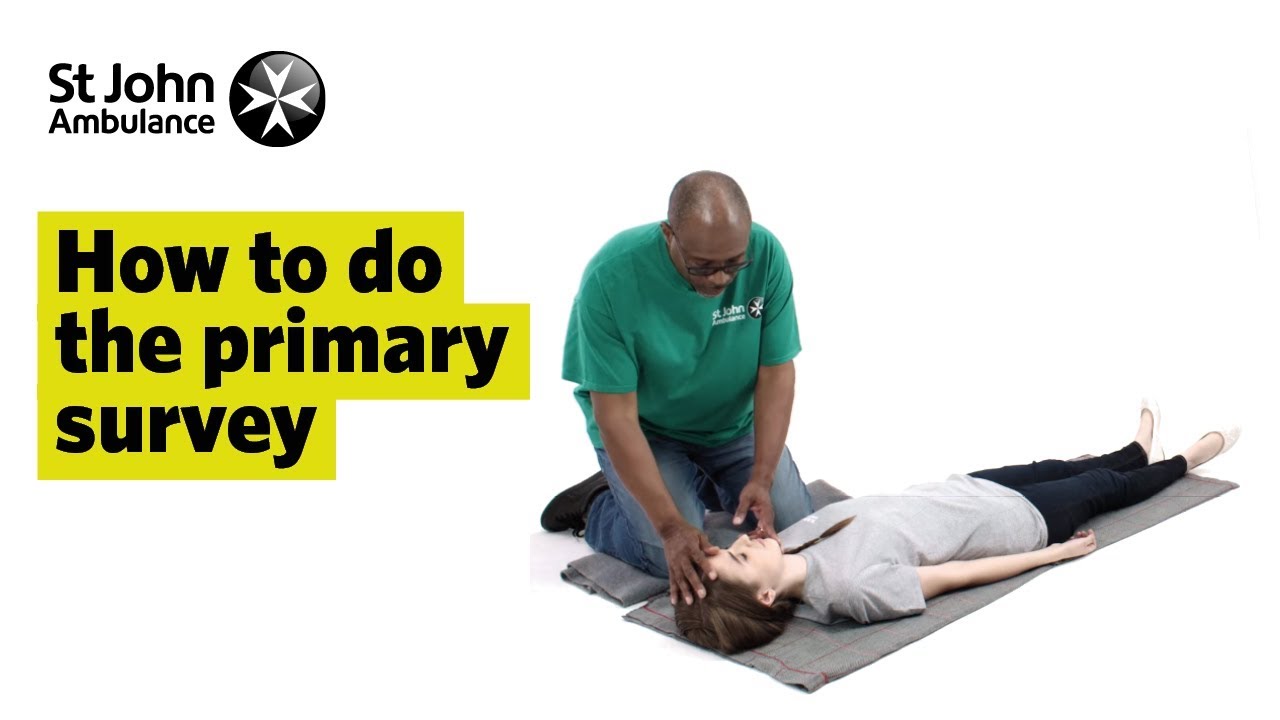
A thorough first aid course covers different important topics associated with CPR and basic life assistance. Here are some essential areas normally covered in a first aid course:
1. Introduction to First Aid
- Understanding the significance of very first aid Legal considerations and responsibilities Assessing the scenario and guaranteeing personal safety
2. Fundamental Life Assistance Techniques
- Recognizing indications of cardiac arrest Performing CPR on grownups, kids, and infants Utilizing an AED effectively
3. Airway Management and Breathing Emergencies
- Recognizing and managing choking incidents Providing rescue breaths and clearing air passage obstructions Administering oxygen therapy
4. Medical Emergencies
- Understanding common medical emergencies (e.g., cardiovascular disease, stroke) Recognizing signs and symptoms Initiating appropriate first aid measures
5. Trauma Management
- Assessing and supporting injuries (e.g., fractures, burns, bleeding) Applying bandages, splints, and dressings Immobilizing thought back injuries
FAQs about Mastering CPR: An Ability That Can Save Lives
1. Is it necessary to learn CPR if I am not in a medical profession?
Yes, finding out CPR is vital for everybody, regardless of their profession. Medical emergencies can take place anywhere, anytime, and having the understanding and skills to react properly can conserve lives.
2. For how long does it take to learn CPR?
The duration required to find out CPR varies depending upon the kind of course you choose. Basic CPR courses typically range from a few hours to one day. Nevertheless, becoming skilled in CPR may need continuous practice and refresher courses.
3. Can I perform CPR incorrectly?
While carrying out CPR improperly is much better than doing nothing at all, it is crucial to receive appropriate training to take full advantage of efficiency. Attending an accredited first aid course read more makes sure that you discover the proper techniques and remain updated with the current guidelines.
4. What should I do if somebody collapses in front of me?
If someone collapses in front of you, follow these steps:
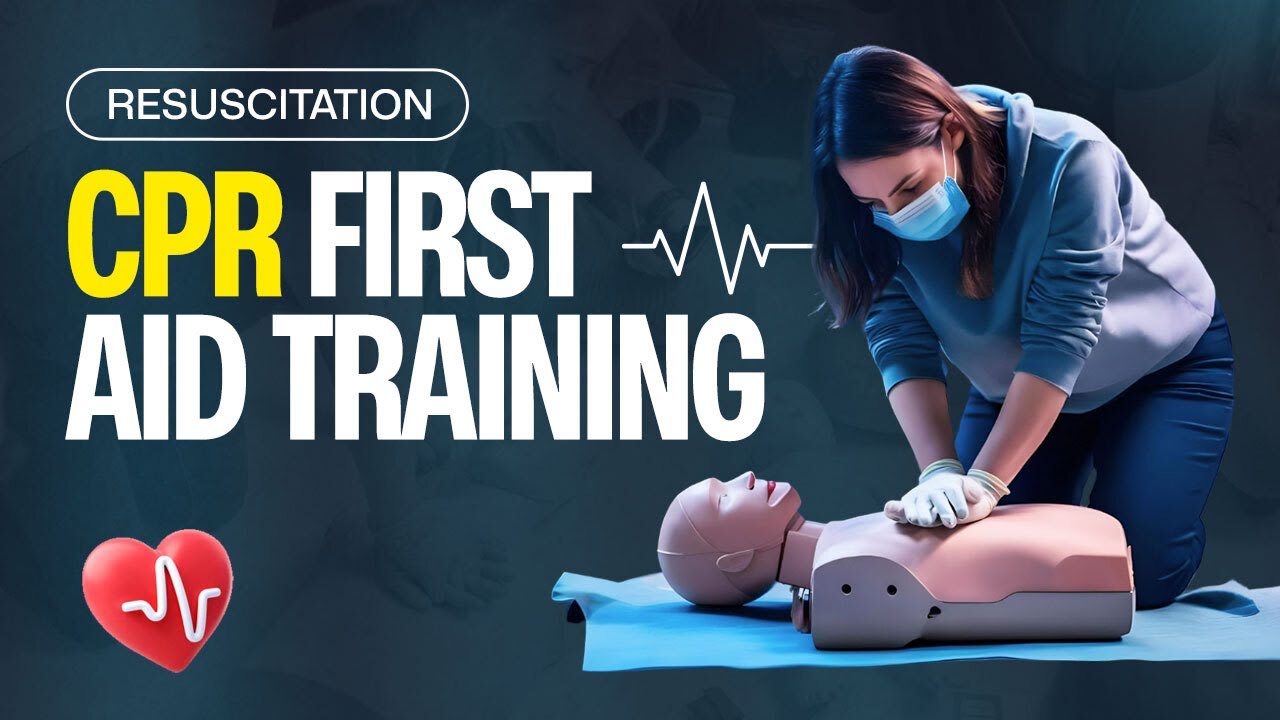
Check for responsiveness by tapping their shoulder and asking if they are okay. If there is no response, call emergency situation services immediately. Begin chest compressions by putting your hands on the center of their chest and pressing difficult and fast. If you are trained in CPR, offer rescue breaths after every 30 compressions.
5. Is it normal to feel nervous about carrying out CPR?
Feeling distressed about performing CPR is natural, especially when faced with a life-or-death situation. However, correct training and regular practice can assist relieve stress and anxiety and increase your self-confidence in responding effectively.
6. How often should I restore my CPR certification?
CPR certifications generally expire after two years. It is advised to renew your accreditation regularly to stay existing with the latest methods and guidelines.
Conclusion
Mastering CPR is a skill that can save lives. By taking the HLTAID011 first aid course, people can acquire multiple aid courses the knowledge and know-how needed to respond successfully in emergency scenarios. Learning CPR not only provides personal empowerment but likewise improves employability and instills a sense of obligation towards the well-being of others. With every minute being crucial in a medical emergency situation, mastering CPR equips you to be a valuable property in your community, efficient in making a life-saving distinction. So don't wait; register in a first aid course today and become part of the chain of survival.